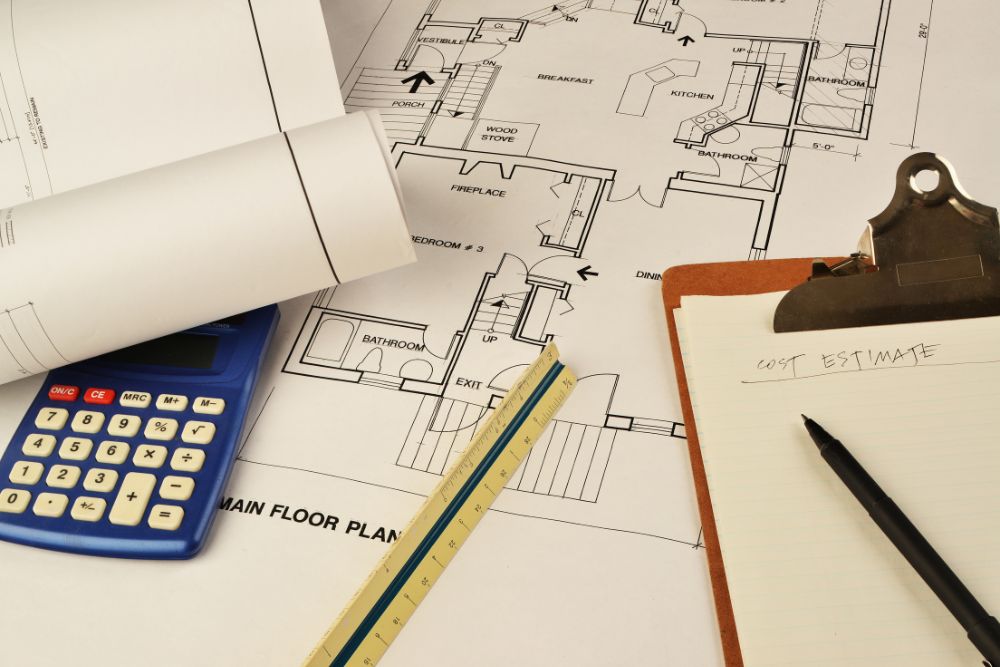
MEP drawings in construction are detailed plans that show how a building’s mechanical, electrical, and plumbing systems are designed and connected. Think of them as the guide that ensures every system, from air conditioning ducts and electrical wiring to water supply lines, fits together smoothly.
Without accurate MEP drawings, coordinating these systems can become complicated, leading to delays, design clashes, or safety risks.
In this blog, we’ll explain what MEP drawings in construction are, the types of MEP plans, why they’re important for modern buildings, and the tools professionals like Prime Estimation use to create them. By the end, you’ll understand why these drawings are the backbone of every successful construction project.
What Are MEP Drawings?
MEP drawings in construction are detailed technical plans that illustrate how a building’s mechanical, electrical, and plumbing systems are designed, installed, and connected. These MEP plans act as a visual guide for architects, engineers, and contractors, showing exactly where every duct, wire, and pipe will go within a structure.
In simple terms, mechanical, electrical, and plumbing drawings are the blueprint of a building’s internal systems. They show how HVAC systems, lighting, power circuits, and plumbing networks work together to create a safe and efficient environment. Properly coordinated MEP drawings help ensure that no systems overlap or interfere with one another during installation.
When MEP drawings are accurate, they prevent system clashes and make installation smoother. Without them, teams could face delays, design conflicts, or costly rework. That’s why MEP drawings for construction projects are considered one of the most important parts of the planning process.
Importance of MEP Drawings in Construction
In any construction project, coordination is key. MEP drawings in construction make that coordination possible by bringing together the mechanical, electrical, and plumbing systems into one clear plan.
Here’s why these drawings are so important:
1. Prevent System Clashes
MEP drawings help identify potential conflicts early, for example, when a duct might overlap with a plumbing line or an electrical conduit. Catching these issues before construction begins saves time, materials, and costly rework.
2. Improve Project Coordination
With clear MEP plans, every team, from architects to contractors, works from the same layout. This ensures everyone knows what goes where, reducing confusion and delays on site.
3. Enhance Cost Control
Accurate mechanical, electrical, and plumbing drawings make it easier to estimate materials and labor. Contractors can budget more effectively and avoid unexpected expenses during installation.
4. Support Safety and Compliance
Properly detailed MEP drawings help ensure that installations meet local building codes and safety standards. This reduces the risk of violations or future system failures.
5. Increase Efficiency
When all systems are coordinated from the start, construction runs faster, smoother, and with fewer interruptions. The result is a safer, more efficient, and better-performing building.
Types of MEP Drawings
MEP drawings in construction show how a building’s main systems, mechanical, electrical, and plumbing, work together. These drawings help everyone on the project stay on the same page, avoiding confusion and mistakes during installation.
Professionals use special design software to plan these systems before construction starts. With a complete MEP plan, it’s easier to install ductwork, pipes, and wiring in the right place without any clashes.
Let’s take a look at the main types of MEP drawings.
1. Mechanical Drawings
Mechanical drawings focus on how the heating, cooling, and ventilation systems will be set up in a building. They show the layout of ducts, vents, fans, and other equipment needed to keep the building comfortable and energy efficient.
Mechanical MEP drawings usually include:
- HVAC system layouts
- Ductwork and ventilation plans
- Equipment locations and specifications
- Fire protection layouts
- Plumbing and piping connections
- Control and electrical connections
- Material and insulation details
- Load calculations
2. Electrical Drawings
Electrical drawings show how power, lighting, and control systems are arranged throughout a building. These plans help contractors estimate costs, place wiring safely, and ensure the system works without overloading circuits.
Electrical MEP drawings often include:
- Power and lighting layouts
- Circuit and wiring details
- Panel schedules
- Conduit and cable tray layouts
- Grounding and bonding information
- Riser and one-line diagrams
- Fire alarm, data, and security system layouts
3. Plumbing Drawings
Plumbing drawings show how water flows in and out of the building. They include the layout of pipes, fixtures, valves, and pumps that manage water supply and drainage. These drawings help make sure the plumbing system runs smoothly and meets safety standards.
Plumbing MEP drawings usually show:
- Pipe sizes, routes, and materials
- Water supply and drainage lines
- Valves, pumps, and heaters
- Vent and riser diagrams
- Backflow prevention devices
- Pipe insulation and slope details
- Flow rates and pressure ratings
 Key Components Included in MEP Drawings
 Key Components Included in MEP Drawings
Every set of MEP drawings in construction includes important details that guide how a building’s systems are installed and connected. These details help builders, engineers, and contractors work together smoothly and avoid mistakes during construction.
Here are the main components found in most MEP plans:
1. Layout Plans
These plans show the overall layout of mechanical, electrical, and plumbing systems. They mark where ducts, pipes, cables, and equipment will be placed to make sure everything fits properly inside the building.
2. Schematic Diagrams
Schematic drawings explain how each system works and connects. For example, they show how air flows through ducts, how electrical power travels, or how water moves through plumbing lines.
3. Equipment Locations
This part shows where key equipment such as HVAC units, electrical panels, pumps, and valves will be installed. Clear placement helps with easy installation and future maintenance.
4. Control and Wiring Details
These details show how systems are powered and controlled. They include wiring routes, control panels, and switch connections for HVAC and electrical systems.
5. Material and Specification Notes
These notes list all the materials, pipe sizes, insulation details, and technical requirements. Following these specifications helps maintain quality and safety in construction.
6. Schedules and Legends
Schedules include load calculations, equipment lists, and fixture details. Legends explain the symbols used in mechanical, electrical, and plumbing drawings, so everyone on site can understand them easily.
How MEP Drawings Are Created?
MEP drawings in construction show exactly how mechanical, electrical, and plumbing systems will fit together. Creating these drawings is a step-by-step process that helps avoid mistakes and delays.
- Team Coordination: Architects, engineers, and contractors work together to plan how all systems will fit in the building.
- Using Design Software: Tools like CAD or BIM are used to draw MEP plans accurately. Designers can see the systems in 3D and plan everything correctly.
- Checking for Conflicts: Drawings are reviewed to make sure no ducts, pipes, or wires overlap. Finding problems early saves time and money.
- Review and Approval: Engineers and project managers check and approve the drawings. Once approved, they guide the construction work.
FAQs
1. What are MEP schematics?
MEP schematics are simplified diagrams that show how the mechanical, electrical, and plumbing systems in a building are connected and operate. They focus on system flow rather than exact placement, helping engineers and contractors understand the overall design and how each component interacts.
2. Who creates MEP drawings?
MEP drawings are usually created by mechanical, electrical, and plumbing engineers. They often work with architects, contractors, and project managers to ensure that all systems are coordinated and fit properly within the building structure.
How long do MEP drawings take?
The time to create MEP drawings in construction usually depends on the size and complexity of the project. For most buildings, it can take 2–6 weeks. Small projects may be completed faster, while larger or more complex buildings may require the full timeframe. Using software like BIM or AutoCAD MEP can help speed up the process and reduce errors.
How much should I charge for as-built drawings?
The cost of creating as-built drawings can vary based on several factors, so there’s no fixed price. On average, the price ranges from $0.50 to $3 per square foot, depending on the building’s size, complexity, and the technology used for scanning and measurement.
What are the main responsibilities of an MEP?
MEP engineers (mechanical, electrical, and plumbing) are responsible for designing, installing, and maintaining a building’s key systems. Their work ensures that HVAC, electrical, and plumbing systems operate efficiently, safely, and reliably, keeping the building comfortable and fully functional for its occupants.
Conclusion
MEP drawings in construction are essential for any successful building project. They provide clear guidance for mechanical, electrical, and plumbing systems, ensuring all components fit together safely and efficiently. Accurate MEP plans help prevent system conflicts, save time and costs, support proper budgeting, and make future maintenance easier.
At Prime Estimation, our MEP Estimating Services deliver precise and detailed drawings that help streamline your construction projects from start to finish. By partnering with us, you can ensure smooth installation, accurate budgeting, and a project that stays on schedule.
Contact us today to get expert MEP estimating support and take the first step toward a flawless construction project.