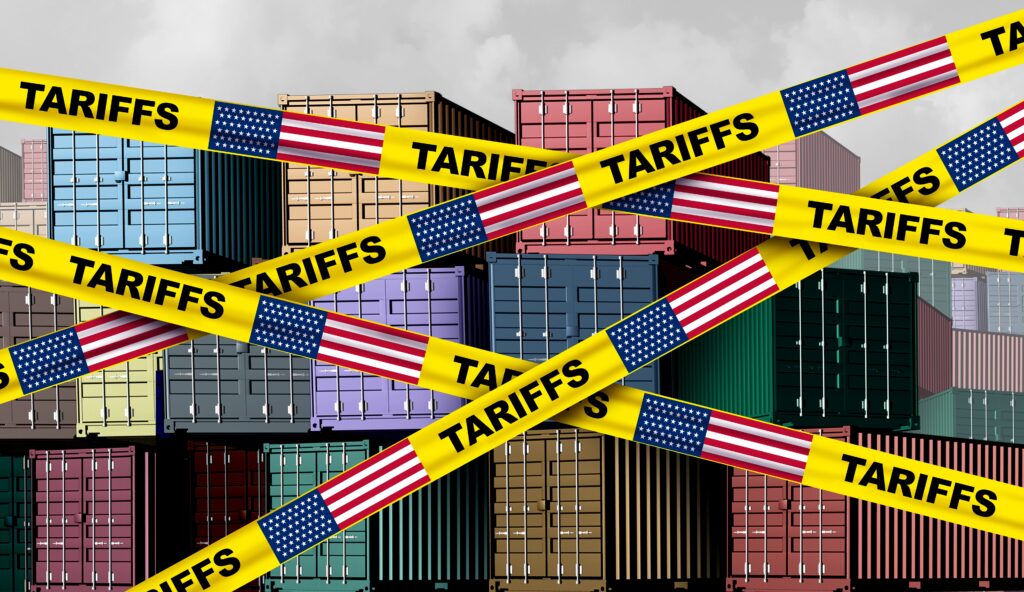
How US tariffs shaping overhead costs in construction is a big concern for contractors and project owners today. When the U.S. government imposes tariffs on imported materials, such as steel, aluminum, or lumber, the prices of these materials increase. As a result, the overall cost of running a construction business, commonly referred to as overhead, also increases. These extra costs can come from higher material prices, shipping delays, or the need to find new suppliers.
Due to these rising costs, construction companies must adjust their budgets and bidding strategies to remain competitive. It also means projects can become more expensive and take longer to complete. In simple terms, when tariffs increase material prices, they also increase the everyday costs of construction work. In this blog, we’ll explain how tariffs affect overhead costs, why they matter, and what contractors can do to manage them.
What Are Overhead Costs in Construction?
Overhead costs are the everyday expenses needed to run a construction business. They don’t go directly into building a project, but they make it possible to complete one successfully. These costs include items such as project manager salaries, office rent, insurance, utilities, equipment maintenance, and administrative expenses. In short, overhead covers everything that keeps the business running smoothly behind the scenes.
When tariffs increase the cost of materials, overhead costs often rise as well. For example, contractors may spend more on buying, storing, or transporting materials. They might also face higher fuel costs or longer delivery times. All of these slight increases add up over time. That’s why managing overhead is so essential; it helps keep construction projects on budget even when tariffs change material prices.
How US Tariffs Shaping Overhead Costs in Construction: A Look at the Latest Tariffs
The U.S. government significantly raised tariffs in 2025. Specifically, tariffs on imported steel and aluminum jumped to 50%. This move was meant to protect domestic industries. However, it made construction materials much more expensive nationwide.
Key Impacts:
The following points highlight the main ways tariffs are affecting construction costs, project timelines, and contractor planning.
1. Material Prices Soar: Core building materials are significantly more expensive.
Due to the newly imposed tariffs, the cost of essential building materials is climbing rapidly, affecting budgets across all construction projects.
- Steel and Aluminum: Face the steepest cost hikes due to the new 50% tariff.
- Other Materials: Prices for copper and lumber are also rising due to related trade actions and overall market pressure.
2. Total Project Costs Increase:
As material prices rise, the overall expenses for construction projects inevitably grow, putting additional pressure on contractors and project owners.
- The price for construction materials alone is estimated to rise by about 9%.
- The expected increase in the total cost of commercial construction projects is around 4.4% to 4.8%.
3. Widespread Delays and Uncertainty:
With unpredictable costs and supply challenges, many projects are now facing delays and increased financial risk, making planning more difficult than ever.
- The unpredictable and rising costs have forced many contractors to delay or cancel projects.
- It is now much more challenging to accurately forecast project budgets, which squeezes contractor profit margins and leads to increased financial risk.
Link Between Tariffs and Overhead
Tariffs don’t just raise material prices; they also affect the overall cost of running a construction business. When market conditions become unpredictable, overhead costs naturally rise. Prices change often, and suppliers adjust their rates quickly, creating constant uncertainty for contractors.
As a result, construction companies face several added expenses:
- Higher storage costs: Many firms purchase and store materials in advance to avoid sudden price increases.
- More administrative work: Teams spend extra time managing suppliers, finding alternatives, and updating budgets.
- Increased insurance and financing costs: As project values grow, companies need larger coverage and more working capital.
In short, tariffs increase not only direct costs but also the hidden, ongoing expenses that keep a construction business running.
 How Tariffs Affect Contractors and Project Bidding
 How Tariffs Affect Contractors and Project Bidding
Tariffs have a direct impact on how contractors plan and price their projects. When costs rise, it becomes harder to maintain stable pricing and protect profits. Fixed-price contracts, in particular, become risky because unexpected cost increases can quickly erode margins.
As a result, many construction firms are now rethinking their bidding strategies. Some adjust their pricing models to account for potential tariff-related risks. Others include escalation clauses in contracts, which allow for price adjustments if material costs change. Moreover, many companies use construction estimating services to forecast cost fluctuations and make more accurate bids.
Simply, tariffs push contractors to be more innovative, more flexible, and better prepared when competing for new projects.
Regional and Sector Effects of U.S. Tariffs
Tariffs don’t affect every part of the construction industry in the same way. Their impact depends on the type of project and location. Residential, commercial, and infrastructure projects all face different challenges due to higher import costs.
Here’s a simple breakdown on how US tariffs shaping overhead costs in construction:
Sector / Region | Main Materials Affected | Impact of Tariffs | Resulting Challenges |
Residential Construction | Lumber, home appliances | Tariffs make lumber and imported goods more expensive. | Higher housing costs and tighter budgets for builders. |
Commercial Construction | Steel, aluminum, machinery | Rising steel and equipment costs due to import tariffs. | Increased project costs and reduced profit margins. |
Industrial Projects | Heavy machinery, tools, steel parts | Equipment and machinery imports are now more expensive. | Delays and higher production expenses. |
Infrastructure & Civil Projects | Concrete additives, heavy equipment parts | Tariffs raise the cost of imported construction materials. | Higher bids and longer project timelines. |
High-Demand States (Texas, California, Florida) | Mixed materials across sectors | Strong demand meets rising prices from tariffs. | Competitive bidding, cost planning challenges, and tighter margins. |
Innovative Ways to Control Rising Overhead Costs
As tariffs continue to raise costs, construction companies are finding new ways to manage their overhead expenses. By taking proactive steps, they can reduce financial pressure. This also helps them maintain profitability.
Here are some effective strategies:
- Diversify suppliers: Work with local or alternative foreign suppliers to reduce your reliance on a single source. This reduces dependence on tariff-affected imports. It also helps maintain a steady supply and control costs.
- Utilize cost-tracking tools: Use real-time software to monitor spending. This makes it easier to spot cost increases early. Companies can then take quick action.
- Negotiate flexible contracts: Include clauses that allow price adjustments or share tariff-related costs with clients. This helps protect profit margins.
- Utilize estimating services: Partner with professional construction estimating services. This enables more accurate cost forecasts and facilitates the development of better overhead recovery plans.
FAQs
Why Do Tariffs Make Construction Projects More Expensive?
When materials are more expensive due to tariffs, contractors must allocate more funds to supplies and logistics. This raises the total cost of completing a project.
Which Construction Sectors Are Most Affected By Tariffs?
Lumber tariffs are impacting residential construction. While commercial and industrial projects are facing higher costs for steel and machinery. Infrastructure projects also suffer from higher prices on concrete and heavy equipment.
How Do Tariffs Affect Bidding In Construction Projects?
Tariffs make bidding riskier. Contractors often include escalation clauses or use flexible pricing to protect against sudden cost increases.
What Is The Best Way To Control Overhead Costs During Tariff Changes?
The best way is to plan, track expenses regularly, and build strong relationships with multiple suppliers. This keeps operations stable even when tariffs change.
Can Using Estimating Services Help Reduce The Impact Of Tariffs?
Yes. Estimating services help contractors forecast costs accurately. These prepare for price changes, keeping bids realistic and profitable.
Conclusion
Rising tariffs on materials like steel, aluminum, and lumber are significantly shaping overhead costs in construction. As a result, builders and contractors face higher expenses, tighter profit margins, and more pressure during project bidding. Therefore, it is crucial for contractors to plan carefully and manage overhead efficiently to keep projects on budget.
Accurate cost forecasting is very important. That’s why Prime Estimation can help. By using our construction estimating services, you can clearly understand how US tariffs shaping overhead costs in construction. In addition, you can anticipate material price changes, control overhead, and prepare more competitive bids.
Contact Prime Estimation today to get accurate estimates. This way, you can stay ahead of rising construction costs caused by US tariffs.