If you’ve ever been part of a construction project, you know how quickly things can fall behind. One small delay, maybe a late delivery or a last-minute change, and suddenly the whole schedule feels off. It’s frustrating because everyone works hard, but the progress doesn’t show. That’s where productivity really matters.
The smoother your workflow, the easier it is to stay on time and on budget. And here’s the good part: improving productivity isn’t about pushing your crew harder; it’s about working smarter. With better planning, clear communication, and the right tools, you can save time, cut waste, and keep projects moving.
In this guide, we’ll discuss how to improve productivity in the construction industry, why it’s so important, and the best ways to make every project run more efficiently from start to finish.
What is Productivity in the Construction Industry?
Productivity in the construction industry simply means how efficiently work gets done on a project. It’s about how much output, like square feet built, concrete poured, or walls installed, a team can complete in a certain amount of time and with the resources available.
In simple terms, if your crew can finish more work in less time without sacrificing quality, your construction productivity is high. On the other hand, when delays, rework, or poor coordination slow things down, productivity drops.
It’s not just about speed, it’s about efficiency, planning, and smart resource use. Every tool, worker, and material should contribute to progress without being wasted. The better this balance, the stronger your project performance and profitability.
Importance of Construction Productivity
Good productivity keeps a construction project running smoothly from start to finish. Here’s why it’s so important:
- Helps finish projects on time: When work runs efficiently, deadlines are easier to meet.
- Saves money: Better use of labor, materials, and equipment means less waste and fewer extra costs.
- Improves quality: A well-organized team makes fewer mistakes and does better work.
- Keeps the site safe: Clean, well-planned job sites reduce the risk of accidents.
- Motivates workers: When everyone knows what to do and sees progress, the team stays positive and focused.
- Makes clients happy: Finishing on time and within budget builds trust and leads to more work.
How to Measure Construction Productivity?
Measuring productivity in construction helps you see how well your team and resources are performing. It’s basically about comparing what’s getting done to the time, labor, and cost it takes to do it. Here are some simple ways to measure it:
- Work per labor hour: Look at how much work your team completes in an hour. For example, if 500 bricks are laid in 8 hours, that’s 62.5 bricks per hour.
- Cost-based productivity: Compare the work done to the money spent. For example, if a project costs $50,000 and produces 10 units, the cost per unit is $5,000.
- Time-based productivity: Check how long tasks take. If a building is finished in 6 months instead of the expected 8, your team was more productive.
- Schedule performance: Review whether each task is being completed on time or falling behind.
Regularly tracking these points helps you spot delays early, fix issues quickly, and keep overall construction productivity on track.
How to Improve Productivity in the Construction Industry?
There’s no single trick to make construction work faster. Every project is different; weather, labor, materials, and planning all play a part.
But there are some simple ways to get better results and make the job run smoothly.
1. Plan Before You Start
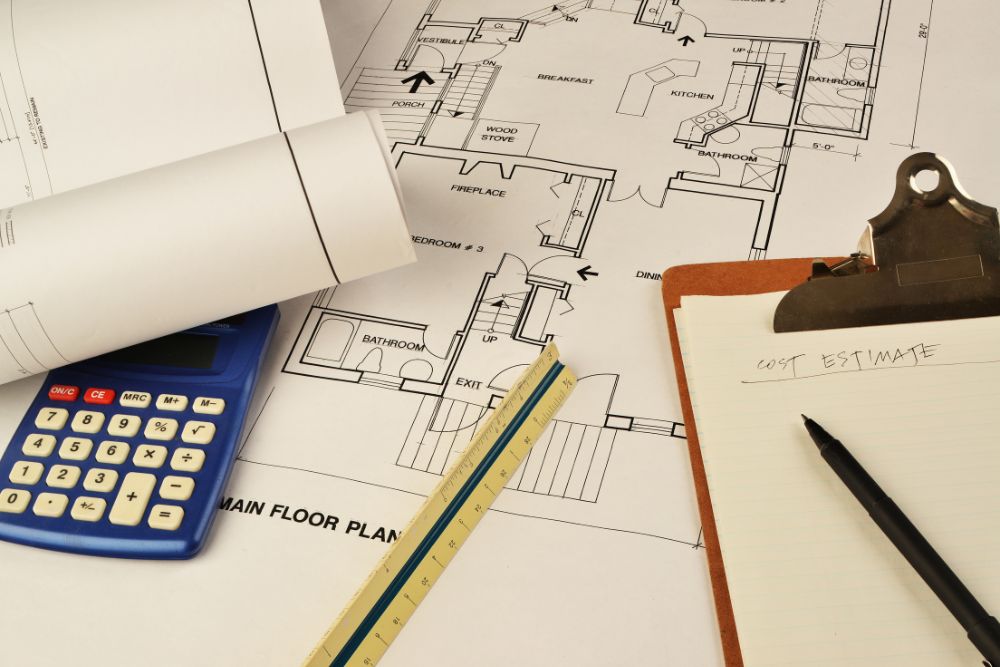
Every good project starts with a good plan. Without one, you’ll face delays, mistakes, and extra costs.
Before starting work, make sure you:
- Set a clear timeline and milestones
- Assign workers, tools, and materials properly
- Think about risks and how to deal with them
Good planning saves time and money later.
2. Use Technology
Construction software can make daily work easier. It helps track progress, manage time, and handle reports.
Pick tools your team can use on their phones, even when there’s no internet. That way, work doesn’t stop when the connection drops.
3. Manage Your Team Well
Your workers are the key to success. Keep them motivated and supported.
To do that:
- Offer bonuses or small rewards for good work
- Be open about schedules and pa
- Celebrate team achievements
Happy workers do better work and stay longer with your company.
4. Communicate Clearly
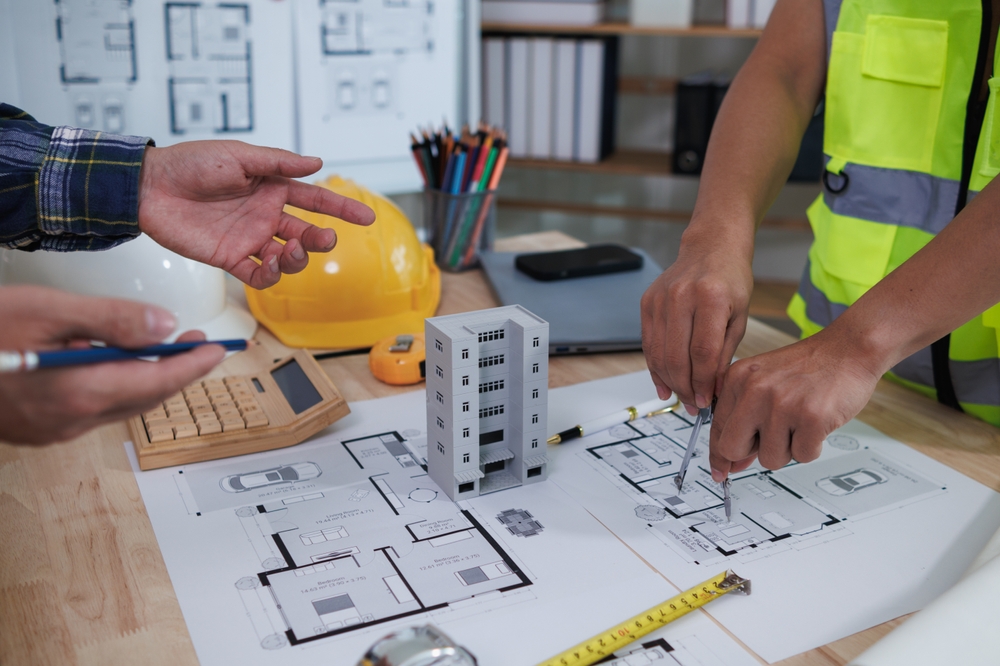
Everyone on the project should know what’s happening. Clear communication prevents confusion and mistakes.
Use simple tools to share updates and reports so problems can be fixed quickly.
 5. Train Your Workers
 5. Train Your Workers
Training helps workers do their jobs better and safer.
When someone new joins, explain their tasks clearly and show them around. When workers feel prepared, they work more confidently and make fewer mistakes.
6. Plan Equipment Use
If several teams need the same tools, plan ahead.
- Create a schedule for who uses what and when
- Keep backup tools if possible
This keeps everyone working without waiting around.
7. Watch the Weather
Bad weather can slow work down, but you can plan around it.
Use weather apps and adjust your schedule when needed. Keeping workers safe and avoiding wasted time is always worth it.
8. Set Realistic Goals
Don’t set deadlines that are too tight. They cause stress and mistakes.
Set goals your team can actually reach, and recognize their effort when they do. Even small rewards or thank-yous keep people motivated.
9. Always Have a Backup Plan
Things don’t always go as planned. Have a backup for problems like supply delays, equipment failure, or bad weather.
Plan how you’ll handle these issues so work doesn’t stop completely.
Key Factors Affecting Construction Productivity
Many things can affect how fast and efficiently a construction project gets done. Here are some of the most common factors:
- Poor Planning: If a project starts without a clear plan, it often leads to delays, confusion, and wasted materials.
- Not Enough Skilled Workers: When there aren’t enough trained workers, work slows down and mistakes happen more often.
- Weak Communication: Poor communication between the office, field workers, and suppliers can cause misunderstandings and delays.
- Late Materials or Equipment: When materials or tools arrive late, work has to stop until everything’s ready.
- Bad Weather: Rain, heat, or cold can slow down outdoor work. Having a backup plan helps avoid downtime.
- Safety Problems: Accidents or unsafe sites can stop work completely. Safe job sites keep everyone working and on schedule.
- Design Changes: Last-minute design changes or drawing mistakes can cause confusion and rework.
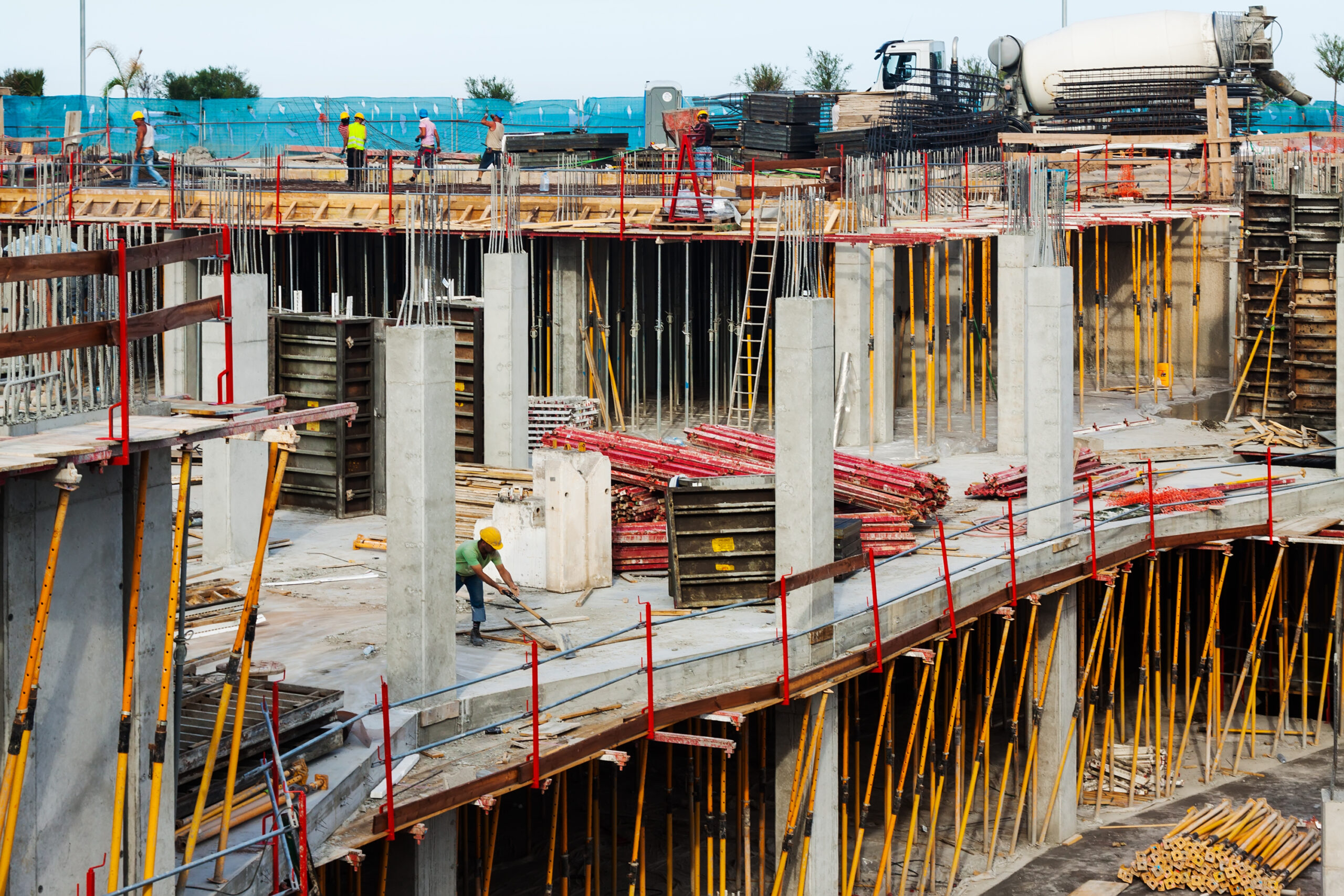
- Poor Site Management: A messy, unorganized job site makes it harder for crews to work efficiently.
- Lack of Technology: Using outdated methods slows things down. Modern construction software helps save time and avoid errors.
FAQs
What Is the Biggest Problem in the Construction Industry?
The biggest problem is poor project management and planning. Many projects face delays, cost overruns, or confusion because of unclear goals, bad scheduling, or weak communication. Skilled labor shortages and material price changes also add to the challenge.
What Is the Biggest Killer in the Construction Industry?
The leading cause of death in construction is falls from height, such as from ladders, scaffolds, or roofs. Other major causes include being struck by objects, electrocution, and getting caught in or between equipment. Safety training and proper gear are essential to prevent these accidents.
Why Is Productivity Important in Construction?
Higher productivity means projects finish faster, with less waste and lower costs. It helps companies stay competitive, meet deadlines, and deliver quality work without overspending.
How Can Technology Improve Construction Productivity?
Technology helps track progress, manage tasks, and share updates instantly. Software tools, drones, and digital blueprints reduce errors, save time, and make communication easier between the office and job site.
How Does Safety Affect Productivity?
A safe worksite keeps workers healthy, confident, and focused. Fewer accidents mean less downtime, less rework, and smoother progress overall.
Conclusion
Want to improve construction productivity and keep your projects on schedule? Prime Estimation is here to make it easier. We provide accurate and detailed construction estimates that help you plan better, manage resources, and reduce costly delays. Our experienced team uses advanced tools and practical knowledge to make sure every part of your project runs efficiently.
From small builds to large commercial projects, we help you save time, control costs, and boost overall performance. With our reliable estimating services, you can stay focused on completing quality work while we handle the numbers.
Contact us today to increase your construction productivity and make every project a success.