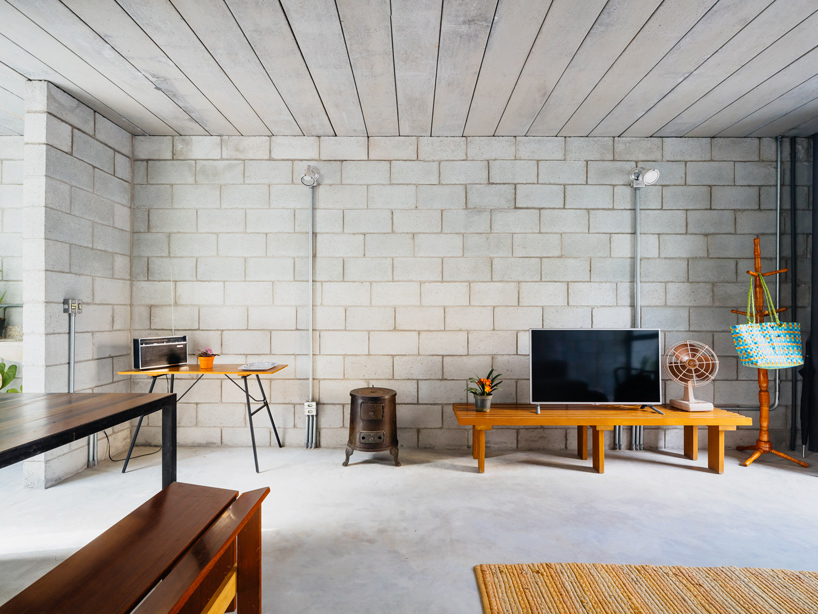
Imagine a house that is not only a house to live in but also a good wall against fire, storms, pests, and even time itself. That is what a concrete block house is. Concrete block construction is becoming more popular due to its toughness and practicality. As an illustration, concrete block houses can reduce heating and cooling expenses by 20-25 percent relative to wood-framed houses.
They are built to last. These houses can withstand more than 200 miles per hour and do not rot, mould, or attract termites like wood. To the endangered families, this concrete block house is security and tranquility. Although it may be expensive to construct initially, you tend to save in the long run with reduced maintenance, insurance, and energy expenses.
So, how many hours does it take to build a concrete block house yourself? The answer depends on the size of the house, your skills, and the help you have. A construction estimating company can guide you with clear timelines and cost planning. In this blog, we’ll break down the steps, time estimates, and tips to help you plan better.
What is a Concrete Block House?
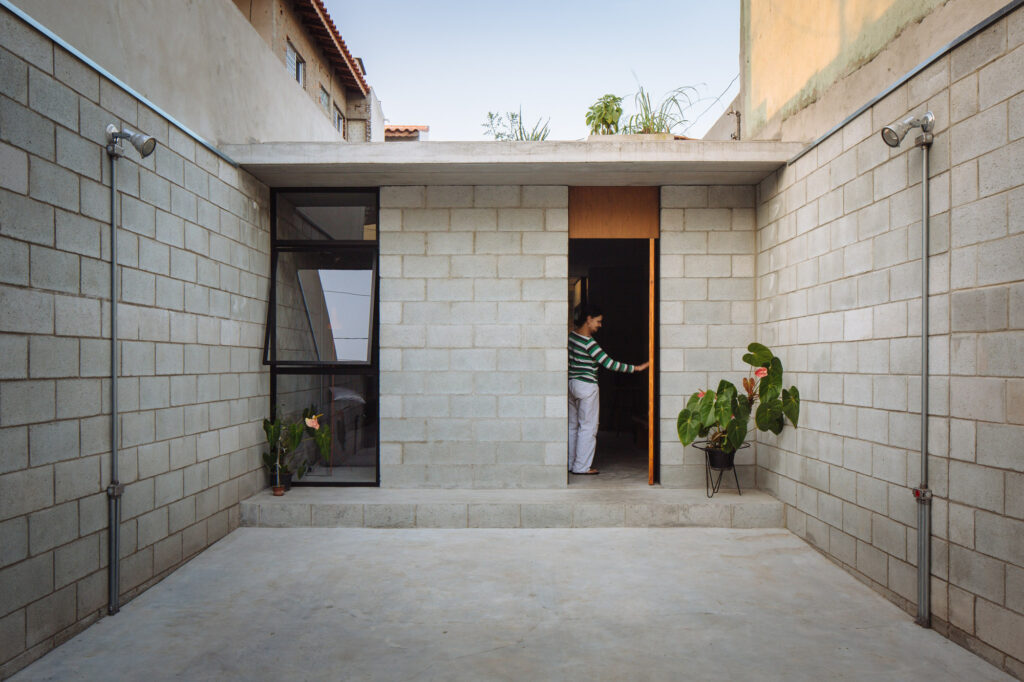
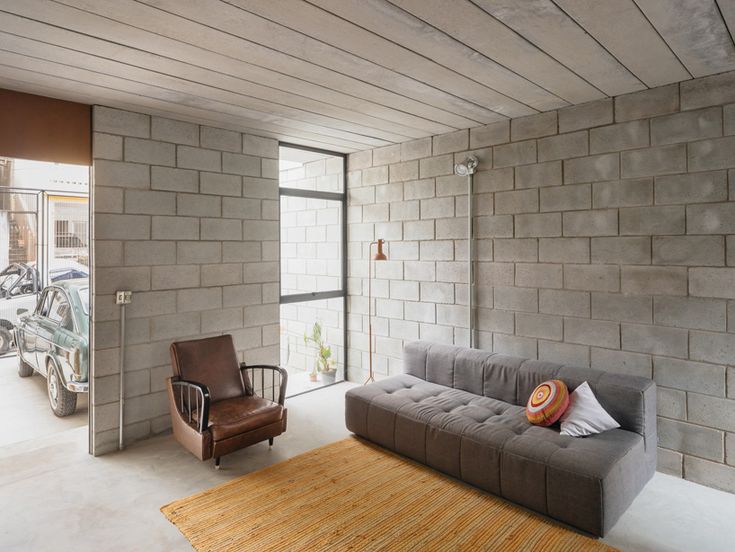
A concrete block house is constructed using blocks of cement, sand, and gravel. The majority of blocks are hollow at the centre, making them easier to work with yet still very strong when piled up together using mortar. To be stronger, the walls are reinforced with steel bars and concrete to fill up.
This type of construction has been employed for decades and is practiced globally. It is not only applicable in homes but also in schools, offices, and industrial buildings due to the fact that it is reliable. A block house doesn’t depend on the frame of wood to support the weight like the wood-framed homes but instead utilizes solid masonry walls, making it a stronger structure and a different design.
Key Factors That Affect the Building Time
Constructing a house is not simple, and it is even harder when one uses concrete blocks. It requires more time and effort, and various factors may influence its duration. Here are the main factors to keep in mind:
1. Size of the House
The larger the house, the more time it will take to construct. A small house with one-story will be faster and bigger with two stories and a lot of rooms will require more blocks, materials, and hours of labor.
2. Skill Level and Experience
If you’ve never worked with concrete blocks before, it will take much longer. Knowing how to level walls and handle blocks correctly can save you a lot of time.
3. Number of Helpers
Doing everything alone is very slow. A small team can finish faster and do better quality work.
Keep in mind, hiring help costs money. A two-person crew might charge $45–$60 per hour, which adds to your budget.
4. Tools and Equipment
Basic tools will slow you down. You’ll need things like a concrete mixer, block saw, rebar, and a plate compactor. Good tools make the job faster and easier.
Tip: Rent tools instead of buying; they cost less and save money.
5. Weather and Climate
Bad weather can cause delays. Rain, humidity, or very hot or cold conditions make work harder and can damage cement layers. Dry, mild weather is best for building.
6. Permits and Inspections
You usually need a permit before building. Delays happen if applications are incomplete. For example, in California, inspections are required before construction.
To avoid problems, get all your documents ready and apply as an “owner-builder” before starting.
Step-by-Step Breakdown of Work and Time Estimates
Building a concrete block house happens in several steps. Each step takes different amounts of time depending on the house size, your experience, tools, and helpers. Here’s a simple guide:
1. Planning and Preparation
Before laying blocks, you need a plan. Draw the layout, count how many blocks and materials you’ll need, and get all the required permits.
Time: 40–60 hours
2. Foundation Work
Dig, level, pour footings, and let the concrete set. A strong foundation is very important for a solid house.
Time: 50–100 hours
3. Laying the First Rows of Blocks
The first layer of blocks sets the base for all walls. It must be level so the walls stay straight.
Time: 10–20 hours
4. Building the Walls
Lay the blocks, align the walls, create door and window openings, and strengthen the walls with the help of steel and concrete.
Time: 100–200 hours, depending on house size and helpers
5. Roofing Installation
Add the roof frame, cover it with boards, and finish with roofing material.
Time: 60–120 hours
6. Finishing Touches
Plaster walls, install plumbing and electrical systems, paint, and complete other finishing work.
Time: 200–300 hours
Approximate Total Hours for Different Scenarios
The time spent constructing a concrete block house is determined by the person doing the work and the number of assistants. To provide you with a clear image, the approximate hours in various situations are as follows:
| Scenario | Estimated Total Hours | Notes |
| DIY Builder (working alone) | 500–800 hours | Takes the longest since all work is done solo. |
| Small Crew (3–4 workers) | 250–400 hours | Faster progress and better quality due to teamwork. |
| Professional Crew | 150–250 hours | Fastest and most efficient; completed in a few weeks. |
Tips to Save Time Without Cutting Quality
This guide isn’t just about how many hours it takes to build a concrete block house. It’s also here to give you practical tips to save time and work more efficiently, especially if you’re building on your own.
Make a Clear Plan
Construction without planning may lead to delays. You should plan everything ahead and prepare beforehand, and have all the documents ready before you begin. This will assist you to prevent any unexpected situations and maintain the work without issues.
Rent or Borrow Tools
Construction tools can be expensive. For Example, a concrete mixer is priced in thousands and can be slow to deliver. Renting or borrowing from a rental outfit or contractor is easier and less expensive.
Get Help
If you know someone who is good at masonry, ask for part-time help. If not, consider hiring a few helpers. Even a small team can share the work and finish faster.
Use Prefabricated Parts
Prefabricated parts, like ready-made walls or roof sections, can save a lot of time. These parts are made off-site and then delivered to your site for quick assembly.
FAQs
How strong are concrete block houses?
The concrete block houses are very strong and durable. They are fireproof, windproof and pest proof. When properly built and maintained they may be useful in serving decades as a safe and stable home to families.
Are concrete block houses good for resale?
Yes, they are much to be desired. Their wear and tear, safety, energy-saving, and low-maintenance make them appealing to consumers, who in many cases raise the resale value when compared to the traditional wood-framed buildings.
Do concrete blocks get very hot in summer?
Not really. Concrete walls are thick and slow in absorbing heat and releasing it gradually, therefore, keeping the house cooler. This insulation is natural and thus it saves the use of constant air conditioning and makes the living spaces comfortable.
Can concrete block houses handle storms?
Yes, they are very sturdy. The concrete block walls are capable of withstanding the heavy rain, high winds and even hurricanes and thus is a safer option in the areas where the storms or extreme weather conditions are more likely.
Are block houses energy-efficient?
Yes, concrete block walls are thick, so they do help to keep the interiors cooler in summer and warmer in winter. This will reduce the heating and cooling expenses and provide a more comfortable living space.
Conclusion
A concrete block house is a good option to anyone wishing to have firm, durable and affordable house. It could be time consuming and tedious than normal building, yet with the proper planning, equipment and assistance, one could make it through.
The beginners find this problem because they do not know how to estimate building blocks, and this may result in the project taking a longer time. Conversely, basic masonry skills can save many a lot of time and ensure that the work proceeds without challenges.
Regardless of whether you want to construct it on your own, employ a small number of people, or contract an expert, having an idea of what you will expect in time and effort allows you to lay plans better. With clever planning and appropriate assistance, it is possible to create a safe and energy-saving, and sturdy home that will withstand any time.