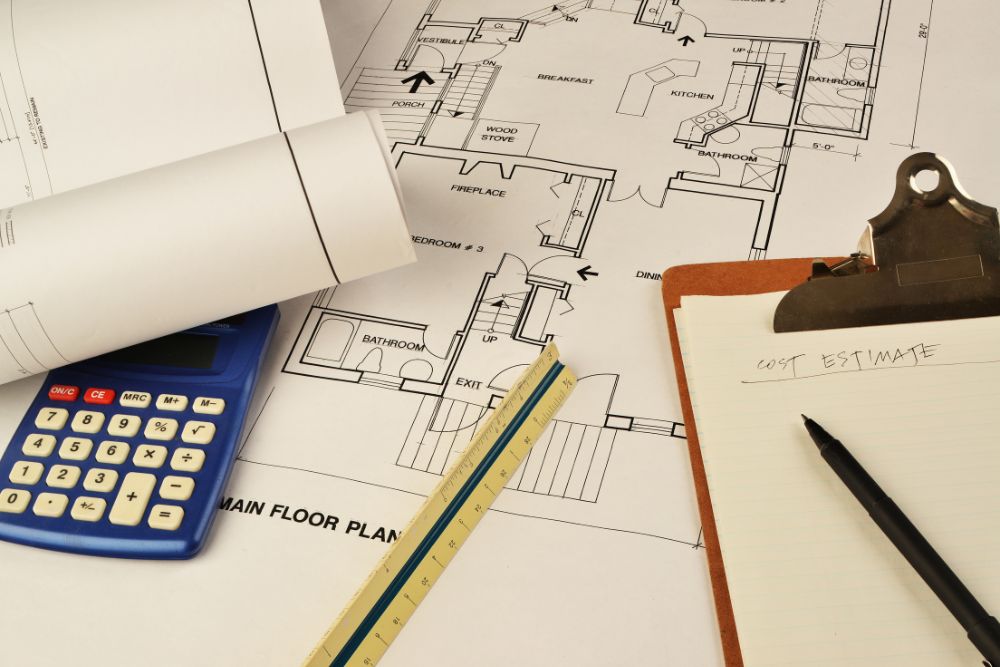
Every construction project comes down to one thing: money. Whether you’re developing a new building or managing multiple sites, staying on top of expenses can be tough. Material prices go up, labor costs shift, and market conditions rarely stay the same for long.
That’s why many owners now rely on construction cost databases. These tools bring together real numbers from past projects, showing what materials, labor, and equipment actually cost, and how those prices have changed over time.
With a well-maintained construction cost database, owners can create budgets based on facts, not guesses. It helps you see where the money’s going, predict future costs more accurately, and keep every project financially sound.
In this guide, we’ll explain how construction cost databases benefit owners by improving accuracy, reducing risk, and building confidence in every financial decision.
What Is a Construction Cost Database?
A construction cost database is a centralized system that stores all financial details of a project. It includes material prices, labor rates, equipment costs, permits, and subcontractor fees. This database plays a key role in construction estimating and budget planning, helping project owners make informed decisions.
Keeping it updated is crucial. Market changes, labor shortages, and supply chain issues can quickly affect pricing. Data can be entered from ongoing projects, synced with cost-tracking software, or adjusted using predictive tools.
An accurate construction cost database improves budget accuracy, enhances cost forecasting, and strengthens project cost control. It turns scattered numbers into useful insights, allowing owners to plan smarter and manage construction costs more effectively.
Why Accurate Cost Data Matters for Owners
For construction owners, accurate cost data is key to construction budgeting, cost control, and construction estimating. A well-maintained construction cost database helps prevent unexpected expenses and keeps financial planning clear and reliable.
1. Impact on Project Budgeting
With precise cost information, owners can create realistic budgets that reflect current market conditions. A strong cost database allows for better resource planning, helps track spending, and reduces the risk of budget overruns.
It also allows owners to adjust budgets as projects progress. Changes in material prices, labor availability, or regulations can affect costs, but up-to-date data lets teams analyze trends, compare projected vs. actual costs, and make quick, informed decisions.
2. Long-Term Financial Planning
Beyond individual projects, a construction cost database supports long-term planning. It helps owners evaluate new projects, plan for future maintenance, and manage costs across multiple developments. Accurate cost data enables proactive capital planning and smarter project cost management, keeping projects on schedule and financially secure.
Key Benefits of Construction Cost Databases for Owners
A construction cost database offers many advantages for project owners. By organizing and analyzing financial data it helps improve construction estimating, budget accuracy, and overall project cost control.
1. Improved Budget Accuracy
Accurate cost data allows owners to create realistic budgets based on current market prices. This reduces the risk of budget overruns and unexpected expenses.
2. Better Decision-Making
With historical data at hand, owners can make informed choices about materials, labor, and contractors. This supports smarter construction budgeting and resource planning.
3. Faster Cost Estimation
A well-maintained database speeds up cost calculations, saving time during the planning phase and helping respond quickly to change orders or project adjustments.
4. Transparency and Accountability
Centralized cost data ensures all stakeholders work from the same information, reducing disputes and improving communication.
5. Long-Term Cost Planning
Owners can use historical trends to forecast future costs, plan for multiple projects, and make strategic investment decisions.
 How Construction Cost Databases Work?
 How Construction Cost Databases Work?
A construction cost database helps owners and project teams manage costs effectively. Here’s how it works:
- Data Collection: Gathers costs for materials, labor, equipment, subcontractors, and permits from past and ongoing projects.
- Centralized Storage: Stores all cost information in one place for easy access and reference.
- Integration with Tools: Connects with project management and cost-tracking software for automatic updates.
- Predictive Adjustments: Uses analytics to adjust for inflation, regional pricing, and market changes.
- Cost Analysis: Compares projected versus actual costs to identify trends and potential savings.
- Decision Support: Provides actionable insights for construction estimating, budget planning, and project cost control.
How Technology Enhances Construction Cost Databases
Technology has made construction cost databases faster, easier, and more reliable for construction estimating and budget planning. It helps owners collect, store, and analyze cost data automatically, reducing mistakes and saving time.
- Automation: Material prices, labor rates, and equipment costs update in real time, keeping budgets accurate.
- Predictive Analytics: Technology helps predict future project costs based on past data and market trends.
- Integration: Cost databases work with project management, accounting, and procurement tools for a smooth workflow.
- Better Reporting: Owners can create clear reports to track spending, see trends, and make smart decisions quickly.
How Owners Utilize Cost Databases in Project Management
A construction cost database helps owners manage projects better and control costs. Here’s how:
- Handle Change Orders: Quickly figure out the cost of project changes using past data.
- Track Spending: Compare actual costs with the budget to avoid overspending.
- Save Money: Check prices for materials, labor, and equipment to find cost-saving options.
- Plan Resources: Use data to assign labor, equipment, and materials efficiently.
- Check Bids: Compare contractor bids with historical costs to ensure fair pricing.
- Plan Future Projects: Use past project costs to estimate budgets for new projects.
The Role of Estimators in Using Cost Databases
Estimators are important for helping owners use a construction cost database effectively. They turn past project data into practical insights for planning and budgeting.
- Create Accurate Estimates: Use real project costs to make reliable budgets.
- Track Cost Trends: Look at how prices for materials, labor, and equipment change over time.
- Support Budget Planning: Help owners make smart decisions about spending and resources.
- Price Change Orders: Quickly figure out the cost of any project changes.
- Suggest Cost Savings: Recommend materials, methods, or approaches that save money.
Common Mistakes Owners Should Avoid
Using a construction cost database can save time and money, but owners sometimes make avoidable mistakes:
- Relying on Outdated Data: Using old prices can lead to inaccurate budgets and overspending.
- Not Updating Regularly: Costs for materials, labor, and equipment change often, so regular updates are essential.
- Ignoring Regional Differences: Prices vary by location; failing to adjust for this can skew budgets.
- Not Integrating with Tools: A database works best when connected to project management or cost-tracking software.
- Skipping Analysis: Simply storing data isn’t enough; owners must use it to track trends, compare costs, and plan ahead.
Avoiding these mistakes ensures your construction budgeting is accurate, spending is controlled, and projects stay on track.
FAQs
What is a construction cost benefit analysis?
A construction cost benefit analysis is a process that compares the costs of a project with the benefits it will bring. It helps owners decide if a project is worth pursuing and shows where money can be saved or used more efficiently.
What are the sources of construction cost data?
Construction cost data comes from several sources, including past project records, supplier and contractor quotes, industry reports, cost-tracking software, and government or regional pricing databases. These sources help owners and estimators create accurate budgets and forecasts.
How do construction cost databases help manage project risks?
A construction cost database shows past project costs and trends. This helps owners spot potential risks early, like budget overruns, and plan ways to avoid them.
Can construction cost databases improve team collaboration?
Yes. A cost database keeps all financial information in one place. Teams can access the same data, communicate better, and make decisions faster.
Are construction cost databases useful for small and large projects?
Yes. They can be scaled for any project size. Small projects benefit from easier budgeting, while large projects get detailed cost tracking and forecasting.
Conclusion
A construction cost database is key for accurate construction estimating and smart budget planning. It helps owners reduce risks, track spending, and make informed decisions. Keep your data up-to-date and analyze trends regularly to get the most value.
At Prime Estimation, we help owners use construction cost databases to control costs, improve project efficiency, and plan with confidence. Contact us today to see how our expert services can keep your projects on budget, on schedule, and financially secure.