Every construction project has a specific purpose and unique requirements. Some buildings are meant for people to live in, while others are built for business use. At first, they may seem similar, but the differences between residential and commercial projects become clear when you look closely. These differences show up in design, materials, cost, and overall purpose.
Residential projects focus on comfort and safety. They provide a cozy home for families. On the other hand, commercial projects support businesses. They attract customers, ensure smooth operations, and focus on profit.
In this article, we will explain the differences between these project types. Discuss how they are classified, and provide helpful tips for planning and managing them effectively.
What are Commercial Projects
Commercial projects are buildings made mainly for business use. They usually stand in busy areas, such as main roads, highways, or commercial centers. These buildings are designed to attract customers or tenants. Moreover, using commercial estimating services helps plan costs and materials accurately.
Commercial projects include:
- Office Buildings
- Retail Properties
- Industrial Properties
- Multi-Family Residential (as Commercial)
- Hospitality Properties
- Mixed-Use Properties
What are Residential Projects
Residential projects are buildings for people to live in. They provide spaces for rest and comfort, such as bedrooms and living rooms. Usually, these buildings are on quiet streets, away from traffic and noise.
Residential projects include:
- Single-Family Homes
- Multi-Family Homes
- Apartments or Flats
- Townhouses
- Mobile Homes
Main Differences Between Residential and Commercial Projects
Feature | Commercial Projects | Residential Projects |
Primary Goal | Business profit and supporting daily operations. | Providing comfort, safety, and living space. |
Design | Many windows, glass fronts, and attractive designs meant to stand out. Contains specialized areas (offices, labs, lobbies). | Simpler, more intimate designs focusing on interior comfort. Contains domestic spaces (kitchens, bedrooms, lounges). |
Location | Found on main roads, highways, and commercial zones. | Found in quiet streets, lanes, or neighborhoods. |
Scale | Usually have many floors, sometimes dozens or even hundreds. | Have fewer floors. Most homes have one or two stories. |
Materials | Utilize high-quality, durable, and commercial-grade materials (e.g., steel framing) and specialized equipment. | Use cheaper, simpler, residential-grade materials. Residential estimating services help plan them efficiently. |
Investment Focus | Higher investment in exteriors and curb appeal to attract people. | Higher investment in interior design and features for comfort and beauty. |
Value | Higher sale and resale value due to location and purpose. | Lower sale and resale value compared to commercial buildings. |
Tenancy | Business owners or companies. | Families or individuals. |
Utilities | Like water and electricity, these are more expensive and charged at commercial rates. | Cheaper and charged at residential rates. |
In short, commercial projects prioritize profit, while residential projects prioritize comfort. Both require proper planning and accurate estimating to manage costs effectively.
How a Project is Classified
A project is commercial or residential based on legal, regulatory, and structural factors.
- Zoning Rules: Local laws decide what can be built. Some areas are designated for homes, while others are reserved for businesses.
- Building Codes & Regulations: Commercial projects adhere to strict safety, fire, and accessibility standards. Residential buildings follow simpler rules.
- Project Size and Complexity: Commercial projects are typically larger and require advanced systems, such as large HVAC and fire safety systems. Residential projects, on the other hand, are generally smaller and simpler.
- Legal and Tax Rules: Commercial projects often require investors to follow distinct laws and are subject to different tax regulations. Homes usually use simpler loans.
Challenges in Commercial and Residential Construction
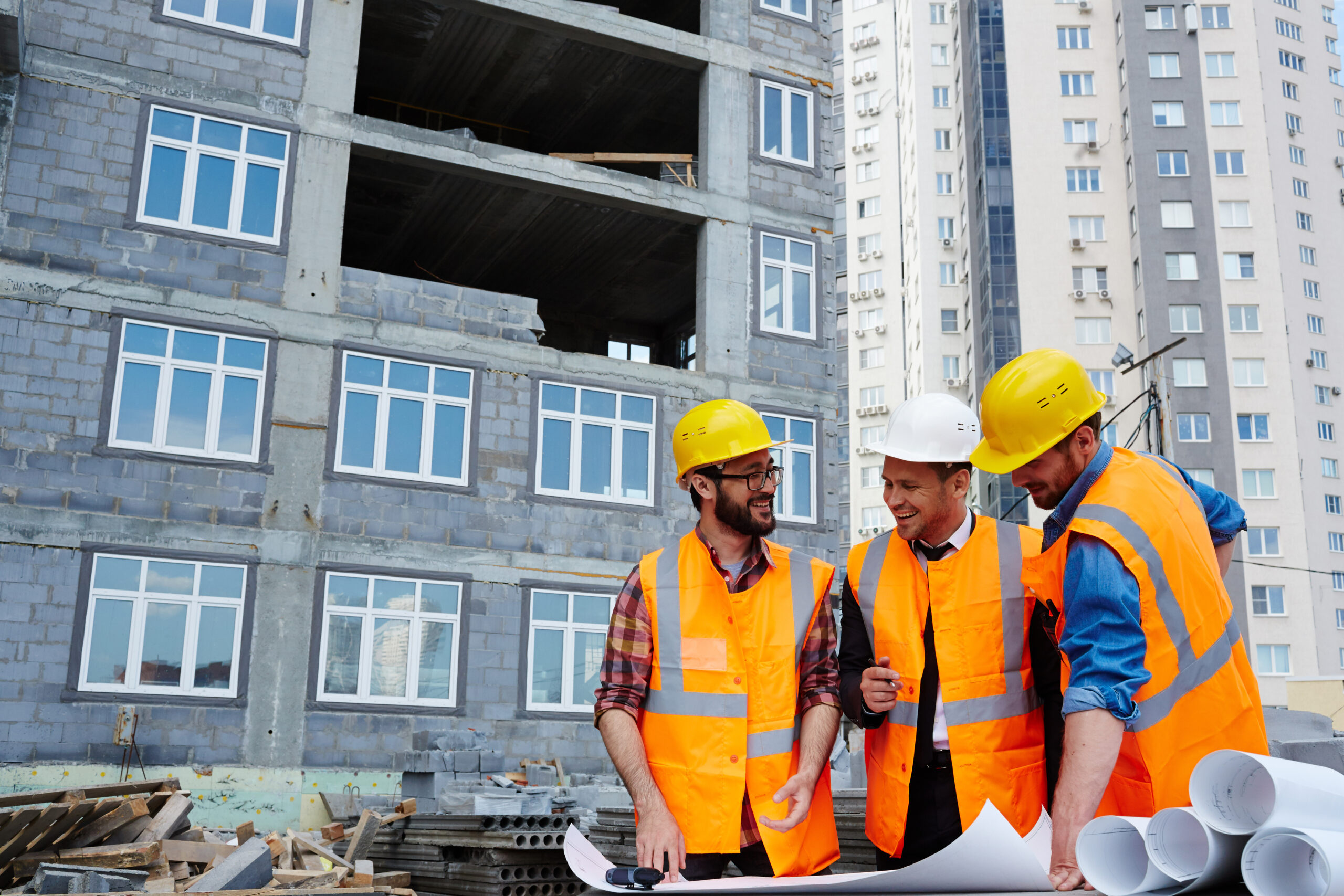
Every construction project comes with unique challenges. However, commercial and residential projects face different issues based on their use and design.
Commercial construction challenges:
Commercial projects are complex and require strict attention to rules and safety.
- Regulatory Burden: Must follow building codes, pass frequent inspections, and get compliance approvals.
- Cost and Labor: Use strong, high-quality materials and skilled labor, which raises overall costs.
- Time Delays: Long approval processes and complex regulations can slow down construction.
Residential construction challenges:
Residential projects focus more on meeting personal needs and budget.
- Personalization and Scope Creep: Homeowners often request unique or eco-friendly designs, which can increase the workload.
- Budget Management: Balancing ideas with budget and timeline can be difficult
- Design Changes: Changes during construction can cause delays and increase costs.
Tips for Planning and Managing Projects Effectively
When undertaking any construction project, careful planning is essential. These tips can help you make informed choices and manage your project effectively:
1. Understand the Regulatory Landscape:
For commercial projects, include permits, inspections, and safety costs. For residential projects, check local HOA rules if needed.
2. Choose the Right Contractor:
Hire a contractor with experience in your project type. Commercial projects need experts in large systems. Residential projects require builders who prioritize comfort and design.
3. Plan for Delays and Contingencies:
Delays often happen, especially in commercial projects. Therefore, add extra time and a contingency budget of 10-15%.
4. Know Your Financing:
Home projects usually use simple loans. In contrast, commercial projects may need investors or strict business financing.
5. Prioritize Purpose:
Ensure your team understands the main goal. For commercial projects, functionality and compliance matter. For homes, comfort, privacy, and family use come first.
FAQs
Which Type Of Construction Costs More?
Commercial construction costs more. It uses stronger materials, larger buildings, and advanced systems. Differences between residential and commercial projects show that residential projects usually cost less to build and maintain.
Which Project Type Offers A Higher Return On Investment (Roi)?
Commercial projects often yield higher returns, as they generate income from tenants or businesses. In contrast, residential projects tend to appreciate slowly but steadily. The best choice depends on your goals and investment timeline.
Can The Same Company Handle Both Residential And Commercial Projects?
Yes, some companies work on both. However, it’s better to choose a company experienced in your specific project type. Commercial projects need experts for large buildings. While residential projects require skill in comfort and design.
What Are The Common Estimating Mistakes In Both Project Types?
Common mistakes include underestimating material or labor costs and forgetting permit fees. Design changes can increase costs. Knowing the differences between residential and commercial projects helps avoid these errors. Professional estimating services, such as Prime Estimation, ensure accurate planning.
Which Is Better For Long-Term Investment?
Commercial projects can bring higher profits, especially in busy areas. On the other hand, residential projects tend to be safer and more stable over time. Your choice depends on budget, goals, and risk tolerance.
Conclusion
Understanding the differences between residential and commercial projects is key to successful construction. Residential projects focus on comfort, safety, and family living. In contrast, commercial projects focus on generating profit, managing business operations, and serving the public.
Understanding these differences enables you to make informed choices, manage costs effectively, and prevent delays. Whether building a home or business facility, accurate planning and estimating are essential.
Contact Prime Estimation today. Get reliable residential and commercial estimating services that save time and money.