What factors can change the cost of foundations in the U.S.? A foundation is not only a matter of pouring concrete but also depends on the type of soil, the foundation design, materials, and labor. Every choice can have a considerable impact on the end price.
Knowledge of these cost factors assists homeowners and builders in being more mindful and not spending on these costs inefficiently. From the nature of your lot soil to the technicality of your foundation, everything counts when calculating the budget.
This article will discuss all the factors that can increase or reduce foundation costs. You’ll also get simple tips to build a strong, reliable, cost-effective foundation for your home.
Why You Need A Strong Foundation for Building
A strong foundation means you will have a safe and lasting home. It maintains the house’s stability, enhances value, and guards against failure. Here are some significant reasons:
- WeatherProtection: Strong foundation protects homes from storms, floods, earthquakes, etc.
- Insulation: The right choice of materials keeps your home warm in winter and cool in summer while saving energy.
- Waterproofing: Solid base blocks water, prevent leaks, and reduce repair costs.
- Pest Control: Sealed foundation protects your home from termites, ants, and rodents.
- Strong Support: Durable foundation prevents cracks and uneven floors, keeping your home stable for years.
Types of House Foundations
The foundation is the base of your home, so picking the right type is very important. Below are the main types of foundations and their costs.
1. Slab Foundation
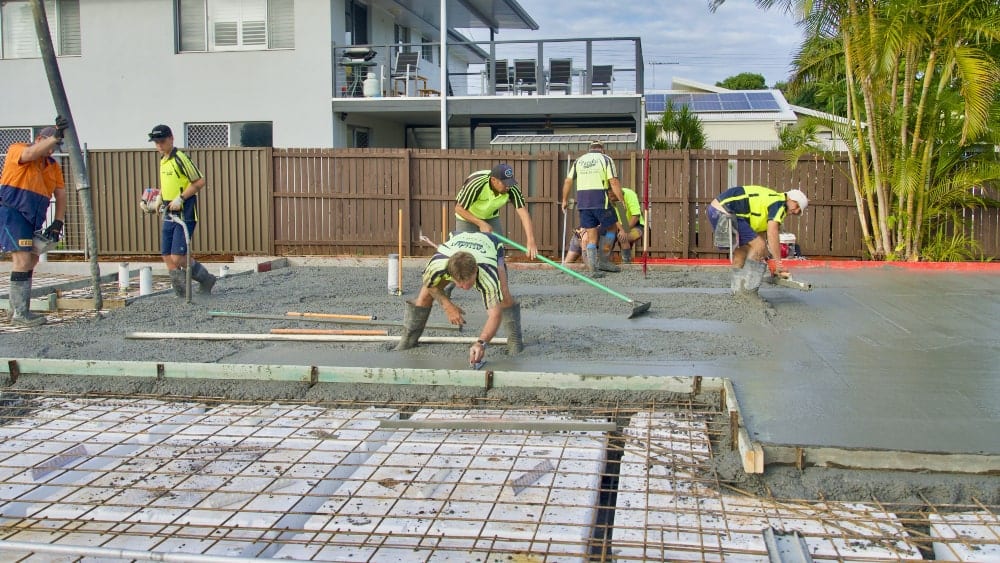
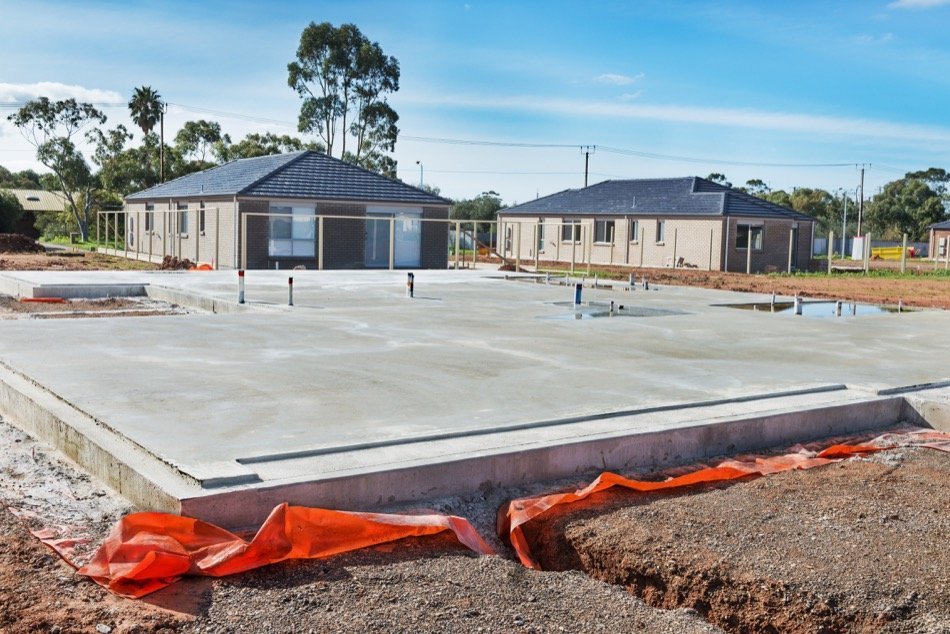
A slab foundation is a single layer of concrete poured directly on the ground. The edges are thick to support the house better. It’s strong, cheaper, and quick to build. It works best in warm areas where the ground does not freeze.
2. Basement Foundation
Basements are deep foundations that add storage or living space under the house. They increase home value but are the most expensive option. Because of flooding risks, they aren’t suitable in areas with high water tables.
3. Block Foundation
These are made with cinder blocks instead of poured concrete. Strong enough and long-lasting, suitable for bigger homes. Needs proper sealing to avoid water problems and has a rougher finish.
4. Crawl Space Foundation
Raises the house off the ground with a small space underneath. It is low in price compared to basements and allows easy access to utilities. Must be well-ventilated to prevent pests and moisture.
5. Frost-Protected Shallow Foundation
Uses insulation to prevent frost damage, ideal for icy areas. Similar to an Alaskan slab but more affordable. Proper drainage is important to avoid problems.
6. Monolithic Slab Foundation
A monolithic slab is poured all at once with thicker edges for strength. It’s one of the most affordable options and is quick to build. Best for small homes and warm climates, but it doesn’t work well in freezing areas.
7. Pier and Beam Foundation
This older style uses piers and beams to create a raised crawl space. It allows easy repair access but doesn’t provide as much stability as other foundations. It’s not ideal in areas with shifting soil or earthquakes.
8. Stem Wall Foundation
Stem wall foundations use vertical walls to lift the home above the ground, often creating a crawl space. They’re great for uneven land or cold regions and are strong and versatile, but they take longer and cost more than slabs.
Average Foundation Cost Per Sq Ft
The cost of a foundation mainly depends on its size and type. A bigger foundation costs more. For example, a 1000 sq foot foundation costs less than a 2,500 square foot one. The larger the size, the higher the expense. A foundation cost estimator can give a more accurate price since costs vary.
The type of foundation also changes the cost. Each type needs different materials, labor, and digging. Here is a breakdown:
| Foundation Type | Average Foundation Cost per sq ft | Description |
| Concrete Slab | $7 | Low-cost and straightforward, with little digging. |
| Pier and Beam | $9 | It uses piers and beams, which are suitable for some soil types. |
| Crawl Space | $13 | Raised with a small space for airflow and access. |
| Full Basement | $33 | Deep foundation that adds space but costs the most. |
What Major Factors Affect the Cost of Foundations
The following are the main factors that affect the foundation cost:
- Foundation type: Different types, like slabs or basements, have different price ranges.
- Foundation size and thickness: Bigger and thicker foundations need more material and labor.
- Site condition: Rocky, soft, or uneven land requires extra work and raises costs.
- Location: Costs vary depending on local labor rates and material prices.
- Project design and complexity: Simple designs cost less, while complex ones take more time and money.

What Other Factors Affect The Cost of Foundations
The initial cost is not simply concrete and labour. There are some additional costs that include:
- Permits and Inspections
- Waterproofing and Drainage
- Reinforcements
- Utility Installations
Building a New Foundation vs. Replacing an Old One
When planning a foundation project, the cost can vary a lot depending on whether you are building a brand-new foundation or replacing an old one. Here’s how the two compare:
| Type | Cost Range | What’s Included | Extra Costs |
| New Foundation | $20,000 – $35,000 | Soil testing, land preparation, pouring concrete, building footings | Tree/rock removal, extra grading |
| Replacement Foundation | $25,000 – $100,000+ (up to $150,000 in complex cases) | Demolition of old foundation, removal, adding temporary supports, and new concrete work | Hidden water damage, structural repairs |
Cost-Saving Tips for Building a Foundation
Developing a foundation is a considerable expense; however, the following simple ideas can save you money:
- Obtain several quotes: Obtain the estimates of at least three contractors, and compare prices and value.
- Purchase locally: Minimize transportation expenses through the selection of local suppliers.
- Know material prices: Learn the present cement and material prices to make better budgets and negotiate.
- Select plain designs: Square or rectangular foundations have fewer materials and are cheaper.
- Prepare for the site in advance: Clean the land and start working to prevent delays and additional charges.
- Conduct routine maintenance: Check your foundation regularly to avoid developing minor problems.
- Fix cracks: Repair cracks early, as they appear, to avoid costly repairs later.
FAQs
What Is The Average Foundation Of A House Cost?
House foundations in the U.S. cost from $5,000 to $37,000. The cost depends on the house size, foundation type, soil, and work. The cheapest foundation is a concrete slab; the most costly is a full basement.
What Is The Foundation Cost For 1000 Sq Ft House?
1000 sq ft house foundation costs typically between 7000 and 33000. The price can change, depending on the type of foundation you want.
What Kind Of Foundation Costs The Most?
Additional excavation, drainage, and sealing are needed; a foundation with a basement is the most costly kind. However, building a basement can be a smart financial decision because it gives your house more storage space (or even living space).
How Much Is A Basement Foundation In The U.S.?
A basement foundation in the U.S. costs between $30,000 and $70,000, or about $55 to $95 foundation cost per sq ft. The final basement foundation price depends on the home size, land, and the materials used.
Can I Make A Foundation Myself?
Although it’s not recommended, you can. The majority of foundations require heavy labor and precision, as well as expertise: Concrete basements are typically poured by a team, even by experts. Without field experience, you may have an uneven foundation that leaks or cracks in a matter of years.
Conclusion
Building a solid foundation is essential to having a safe and sustainable home. The price will change depending on house size, soil, materials, architecture, and locally available labor rates. Concrete foundation cost per square foot may differ for different people, and being aware of these aspects will assist you in planning and not being surprised.
All types of foundations have their own benefits and costs. Extra permits, waterproofing, and reinforcements can increase the price. With proper planning, comparison of alternatives, and engagement of the right people, you can establish a solid foundation without spending much money.
Start building on solid ground. Contact Prime Estimation now and get reliable foundation cost estimates that help you plan smarter and avoid costly surprises.